
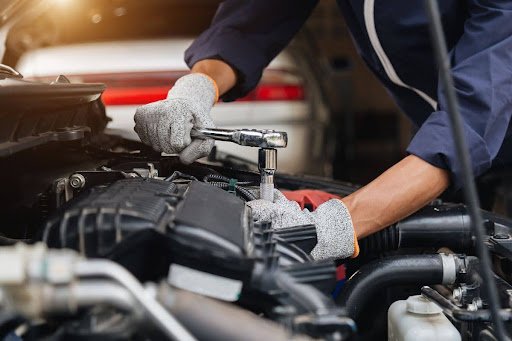
Passing your car’s MOT test involves routine maintenance and care for important safety aspects. The yearly test will examine everything from brakes to emissions, and most failures are preventable in the first instance. Whether initial MOT or retest fee avoidance, the below advice will keep your car on the road. For MOT near me, recall that selecting a good garage provides proper checks and good advice. This eight-point guide to getting it right before your test will save you time and money and keep you road-safe. From the easy checks you can do at home through understanding when expert assistance is required, these tips will guide you to a first-time pass.
Inspect Your Lights Fully
Drive your car round the whole circuit to test all headlamps, brake lights, indicators, and number plate lights. Replace any popped bulbs – an inexpensive fix that avoids automatic failure. Do not overlook fog lights if equipped, and the headlamp aim is correctly aligned. Fresh LED lights may be treated by professionals if defective. Clear lenses enhance vision and avoid false bulb failure impressions. Keep spare bulbs in your vehicle, as some test stations will permit on-the-spot replacement. Fit older halogen bulbs for better night-time vision between tests.
Tyre Condition and Pressure Check
Tyres are responsible for approximately 10% of MOT failures. Ensure tread depth is greater than the minimum 1.6mm legal requirement along the centre three-quarters of the tyre width. Try using a 20p piece as an instant check if it is visible when inserted, the tread will be too low. Inspect sidewalls for cracks or bulges that indicate structural damage. Inspect all tyres (including spare) to ensure they are at the manufacturer’s pressure, as underinflation wears them out too rapidly. Look for uneven patterns of wear indicative of alignment issues. Observe that varying axle locations might mean the same tyre patterns and tread designs for MOT.
Test Brake Performance
The condition of the brakes directly relates to safety and passing the MOT. Hear grinding sounds representative of worn-out pads and inspect the fluid in the reservoir. When the pedal is spongy or goes too far, the system might need bleeding or new components. Handbrakes need to hold the car firmly in place on slopes with minimal travel. Sticking callipers usually present themselves as lopsided braking or a vehicle pulling to one side. For proper checking before your MOT, have a professional brake check performed, especially if you feel vibration on application via the pedal. Note that dashboard warning lights for brakes are an automatic MOT failure.
Check Suspension and Steering
Worn suspension parts are an extremely common reason for MOT failure. Drive over some bumps and listen for clunking sounds; check body roll in a corner is not excessive. Shock absorbers must dampen movement smoothly, pressing down hard in all four corners of the vehicle; it should drop after one bounce. Look for excessive play or tightness in the steering, and that power assistance is operative if fitted. Check rubber bushings and gaiters for cracks or failure. Wheel bearings must spin freely without grinding sounds. Although some suspension checks involve specialist tools, a noticeable loss of ride or handling requires a pre-MOT check.
Prepare Vehicle Documentation
Though not relevant to the roadworthiness of the car, proper documentation makes the MOT process easier. In case vehicle details need to be verified by the tester, keep your V5C registration certificate (log book) handy. Service history proves ongoing servicing, although not required for the test. Retain past MOT certificates as records for ongoing problems. For vehicles that have been modified, have proof of type approval or trade fit, where necessary. DVSA’s online MOT reminders are handy for monitoring your test date, but the final responsibility remains with the vehicle keeper to ensure timely testing. Book your MOT one month ahead of time to give yourself time for repairs if needed.
Conclusion
Passing your MOT test is a matter of consistent, year-round checks on the condition of your vehicle and not last-minute repairs. Incorporating these eight sections into routine checks not only gives you a better chance to pass the first test but also maximises safety and reliability. Fixing the small things in the first place avoids them from turning into huge problems at the test. Finally, perceiving the MOT as a safety stoppage and not an annoyance equates to well-maintained cars and safer roads for everyone. Inter-test maintenance is money saved in the long run and gives people peace of mind all year round.