
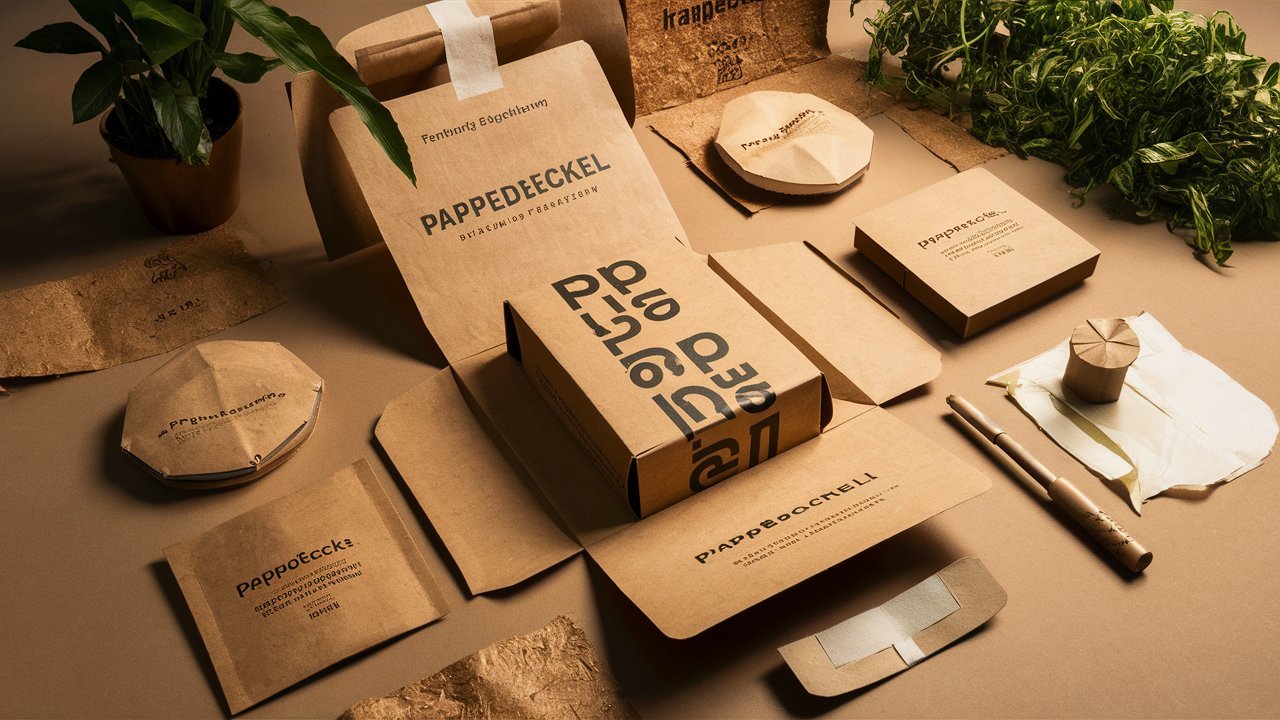
When you first hear the word pappedeckel, it might sound unusual, but it refers to something most people have seen or used at some point. In German, “Pappe” means cardboard and “Deckel” means lid or cover, so pappedeckel simply means a cardboard lid. While it sounds simple, its uses and significance stretch across various industries, from packaging to environmental sustainability.
In this article, we will explore what pappedeckel is, where it is used, why it matters, and how it contributes to eco-friendly solutions in everyday life.
What is a Pappedeckel?
A pappedeckel is essentially a lid made out of sturdy cardboard material. It can be round, square, or any custom shape depending on its intended use. You might find it as the top of a coffee cup, as part of a food container, or as a protective cover for jars, cans, and storage boxes.
Cardboard lids are often chosen for their balance of strength, lightweight nature, and cost-effectiveness. Unlike plastic lids, they are biodegradable and can be recycled, making them a preferred choice for businesses aiming to reduce their environmental footprint.
Common Uses of Pappedeckel
1. Food and Beverage Packaging
One of the most familiar uses of pappedeckel is in the food and beverage industry. Coffee shops often use them as cup lids for hot drinks, either alone or as part of a double-layer system. Bakeries and take-out restaurants also use cardboard lids for cakes, pastries, and soups.
2. Storage and Organization
Cardboard lids are not only used for packaging food; they are also common in storage. From shoebox lids to storage bins for small items, pappedeckel offers a protective cover without adding unnecessary weight.
3. Event and Catering Services
Catering companies often rely on pappedeckel for transporting and presenting food safely. Large trays or platters covered with cardboard lids can keep food fresh and prevent contamination until it is served.
Advantages of Using Pappedeckel
Eco-Friendly Material
Perhaps the biggest advantage of pappedeckel is that it is usually made from recyclable and biodegradable cardboard. This helps reduce plastic waste and supports environmental sustainability.
Lightweight and Easy to Handle
Cardboard lids are much lighter than metal or plastic alternatives. This makes them easier to transport and handle, which is important in fast-paced industries like food service.
Customizable Designs
Businesses can easily print their logos, colors, and designs on a pappedeckel, turning it into a branding tool. This is especially useful for cafés, bakeries, and event organizers.
Pappedeckel and Sustainability
In recent years, the push towards sustainable packaging has grown stronger. Plastic pollution and non-biodegradable waste have become major concerns worldwide, leading companies and consumers to seek alternatives.
The pappedeckel plays a significant role in this shift. Since it is made from paper-based materials, it can be easily recycled or composted. When sourced from responsibly managed forests, the production of cardboard lids has a much smaller environmental impact compared to plastics.
How Pappedeckel is Made
The production of pappedeckel begins with sheets of cardboard, which are cut into the required shapes. The thickness of the cardboard depends on the intended use—coffee cup lids may require thinner material for flexibility, while storage box lids might need thicker boards for strength.
The lids are then shaped, sometimes laminated for extra durability, and can be printed with custom designs. Many manufacturers also use food-safe coatings to make them resistant to moisture and grease.
Challenges and Limitations
While pappedeckel offers many benefits, it also has some limitations. For example, it may not be suitable for packaging liquids without a protective coating, as plain cardboard can absorb moisture and lose its shape. In some cases, laminated cardboard lids are used, but this can make recycling more complicated.
Another challenge is durability in extreme conditions. A pappedeckel may not withstand very high humidity or prolonged exposure to water, making it less effective for certain applications.
The Future of Pappedeckel
As eco-friendly packaging becomes a global priority, the pappedeckel is expected to become even more popular. Innovation in materials—such as water-resistant coatings that are still compostable—will make cardboard lids more versatile and widely adopted.
Manufacturers are also working on improving strength and design while keeping the product 100% recyclable. The future could see pappedeckel being used in even more industries, replacing plastic lids entirely in many cases.
Tips for Businesses Using Pappedeckel
If you are a business owner considering pappedeckel for your products, here are some practical tips:
-
Choose sustainable suppliers – Ensure the cardboard is sourced from recycled materials or certified sustainable forests.
-
Opt for custom printing – Use the surface for branding to promote your business.
-
Consider your product’s needs – Select the right thickness and coating based on whether you are packaging dry goods, liquids, or greasy foods.
-
Educate customers – Inform them about the eco-friendly nature of your pappedeckel so they can dispose of it responsibly.
Everyday Importance of Pappedeckel
Though it might seem like a small detail, the pappedeckel is a quiet hero of everyday life. It helps keep your coffee warm on the go, protects your food from dust and damage, and makes packaging more sustainable.
Every time you see a cardboard lid, you’re looking at a product that combines functionality with environmental responsibility. It’s a reminder that small changes—like choosing a pappedeckel over a plastic lid—can make a big difference for the planet.
Conclusion
The pappedeckel is more than just a piece of cardboard—it’s a practical, customizable, and eco-friendly solution that fits seamlessly into modern life. As sustainability becomes a stronger priority across industries, we can expect the demand for cardboard lids to grow, proving that even simple ideas can have a powerful impact on our world.